How To
5 Surprising Ways to Reduce Your Car Insurance Premium and Streamline Your Lifestyle Overhead

Apr
The Art of Precision Overhead
In the world of the high-achieving professional, success is rarely just about top-line growth; it is about bottom-line precision. We meticulously curate our wardrobes, our workspaces, and our digital footprints, yet many of us allow a significant financial leak to persist: the inflated cost of vehicle ownership. Accepting a renewal quote at face value is a tactical error. If you are looking to reduce car insurance premium costs without sacrificing the integrity of your coverage, you must move beyond the “autopilot” renewal mindset. Managing your personal assets requires the same sharp eye for efficiency as managing a business. By understanding the levers of the insurance industry, you can reclaim your capital and ensure you are paying for actual protection, rather than administrative bloat.


1. The No Claim Bonus (NCB) as a Cumulative Asset
The most potent tool to reduce car insurance premium totals is the No Claim Bonus (NCB). Far from a simple “thank you” for safe driving, the NCB is a progressive discount that can reach up to 50% over five claim-free years. The surprise for many professionals lies in the math of small claims: filing a claim for a minor fender bender often costs more in lost future discounts than the repair itself.”The No Claim Bonus is not merely a discount; it is a cumulative asset. Resetting it to zero for a minor repair is akin to liquidating a long-term investment to cover a short-term convenience. Always calculate the ‘opportunity cost’ of a claim before you file.”

2: Treating the Voluntary Deductible Like a Business Reserve
If you are a disciplined driver with a healthy emergency fund, the “Voluntary Deductible” is your fastest route to savings. This is the amount you agree to pay out-of-pocket before your insurer steps in. By opting for a higher voluntary deductible, you effectively signal to the insurer that you are a low-risk client willing to share the burden of minor incidents. Think of this as your “insurance emergency fund.” By shifting a small amount of risk onto your own balance sheet, you significantly lower the monthly “carrying cost” of your policy. It is one of the most effective ways to reduce car insurance premium payments for those who prioritize long-term savings over immediate liquidity.

3: Proactive Security and ARAI-Approved Discounts
Insurance companies are in the business of risk mitigation. When you demonstrate that your vehicle is a “hard target,” they reward you with lower rates. Installing security devices that are certified by the ARAI (Automotive Research Association of India) can earn you a specific discount on the “Own Damage” (OD) portion of your premium. High-Impact Security Tech Includes:
- ARAI-Approved Anti-Theft Systems: Electronic immobilizers that prevent hot-wiring.
- Mechanical Gear Locks: Visible deterrents that reduce the likelihood of “smash-and-grab” theft.
GPS Tracking Units: Real-time recovery tools that decrease the risk of total loss for the insurer.

4: Precision in Insured Declared Value (IDV)
Your Insured Declared Value (IDV) is often misunderstood as the “sale price” of the car, but in insurance terms, it is the maximum sum insured . A common mistake is “over-insuring” an aging asset by keeping the IDV high. This results in “ghost premiums”—paying for a level of coverage that the insurer will never actually pay out, as they only settle claims based on the vehicle’s current market value.The IDV is technically calculated as: IDV = (Manufacturer’s listed selling price – depreciation based on the car’s age).By ensuring your IDV is accurate and adjusted for depreciation , you can significantly reduce car insurance premium costs while maintaining a realistic safety net.

5: The 90-Day Window and the Myth of Loyalty
In the insurance market, loyalty is rarely a profitable strategy. To keep your overhead lean, you must be a proactive shopper.
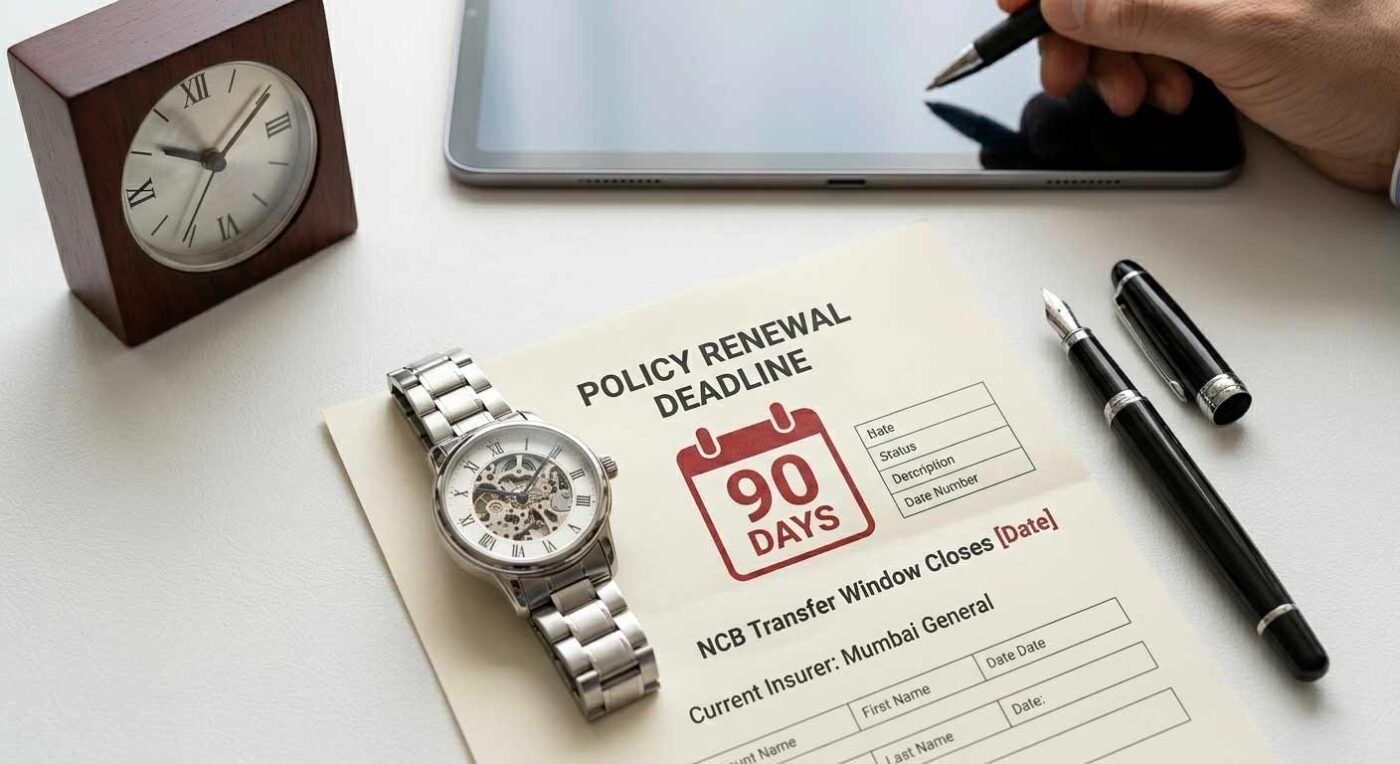
- The 90-Day Rule: If you decide to switch insurers to find a better rate, you must do so within 90 days of your policy’s expiry. If you wait longer, your accumulated No Claim Bonus—that hard-earned 20% to 50% discount—evaporates.
- Comparison is King: Use digital platforms to audit your current policy against the market at least 30 days before renewal.
Timely Renewals: A lapsed policy isn’t just a legal risk; it’s a financial one. A gap in coverage often triggers a vehicle inspection and the immediate loss of historical discounts.
Smart Savings for Smart Professionals
Optimizing your insurance is more than a cost-cutting exercise; it is an exercise in professional discipline. From the wisdom of the road to the traditions of the trade, protecting your assets requires a blend of modern strategy and an understanding of the “unwritten rules” of the industry. By mastering your NCB, adjusting your deductible, and refining your IDV, you ensure that your financial movement remains as smooth as your vehicle’s performance.Now that you’ve optimized your vehicle’s overhead, what other aspects of your professional first impression are you ready to streamline?

Protecting your vehicle is about safeguarding your movement; protecting your brand is about safeguarding your reputation. Just as you optimize your insurance to reflect your responsibility, optimize your professional first impression to reflect your brand’s equity. A high-quality, customized business card is the insurance policy for your networking success. Create your custom business cards with WhatsYourPrint today.
Disclaimer
“WhatsYourPrint does not vouch for the veracity of any of the claims made herein.”