
How To
Why We Celebrate Baisakhi: History, Meaning & Significance
Apr
Why We Celebrate Baisakhi: A Journey from Harvest to Heroism
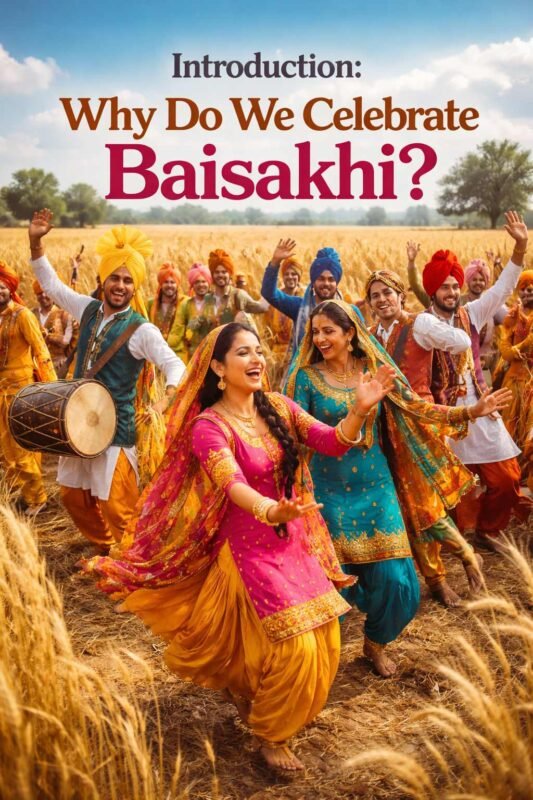
Why we celebrate Baisakhi is a question that leads us into the heart of a season where the earth’s bounty and human history converge in a brilliant display of saffron and gold. As the winter chill recedes, the vast plains of Northern India transform into a sea of ripening wheat, swaying to the rhythm of the warm spring breeze. For many, Baisakhi is the jubilant marking of a successful harvest, but beneath the surface lies a profound story of cosmic alignment and a pivotal moment of spiritual revolution. It is a time when the rhythmic beat of the dhol echoes the heartbeat of a community defined by its courage. Understanding this major cultural milestone reveals a legacy of gratitude and identity that continues to inspire millions across the globe.




The Birth of the Khalsa: A Spirit Reborn at Anandpur Sahib
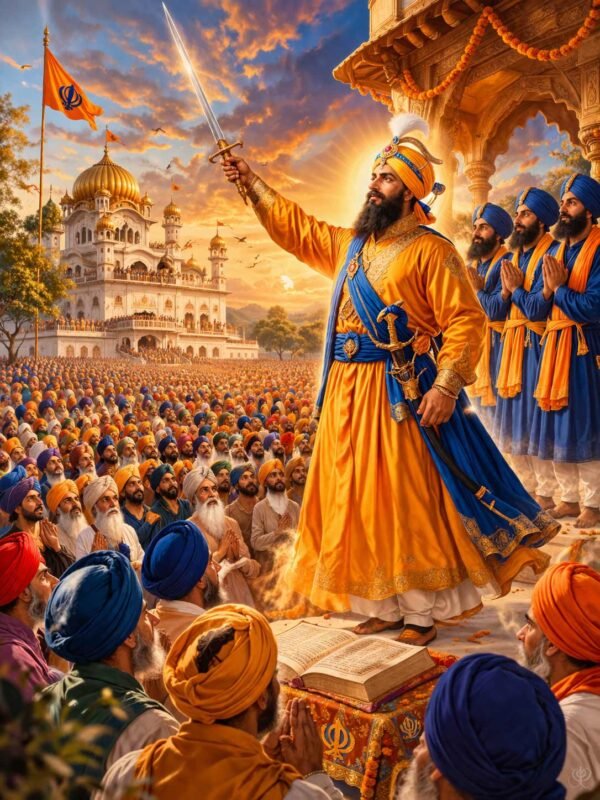
The most profound historical reason for this celebration dates back to the spring of 1699. At the foothills of the Himalayas in Anandpur Sahib, a massive gathering awaited the tenth Sikh Guru, Guru Gobind Singh. The air was thick with anticipation as the Guru emerged with a shimmering sword, calling upon his followers for a supreme sacrifice of devotion. This dramatic moment led to the initiation of the Panj Pyare (the Five Beloved Ones), marking the formal establishment of the Khalsa Panth.This shift redefined Baisakhi as a day of spiritual “rebirth.” It evolved from a regional agricultural gathering into a powerful movement for equality and justice. By creating a community of warrior-saints, the Guru replaced fear with a collective identity based on faith and courage. The transformation from a simple farmer to a protector of the oppressed is the holiday’s most impactful legacy, proving that one’s spirit can be harvested for righteousness just as grain is harvested for sustenance.”The festival marks the day when the tenth Sikh Guru, Guru Gobind Singh, established the Khalsa Panth in 1699… This event is central to the Sikh faith, representing a moment of immense bravery and the formalization of a community dedicated to righteousness.”
The Solar New Year: When the Sun Enters Mesha Rashi
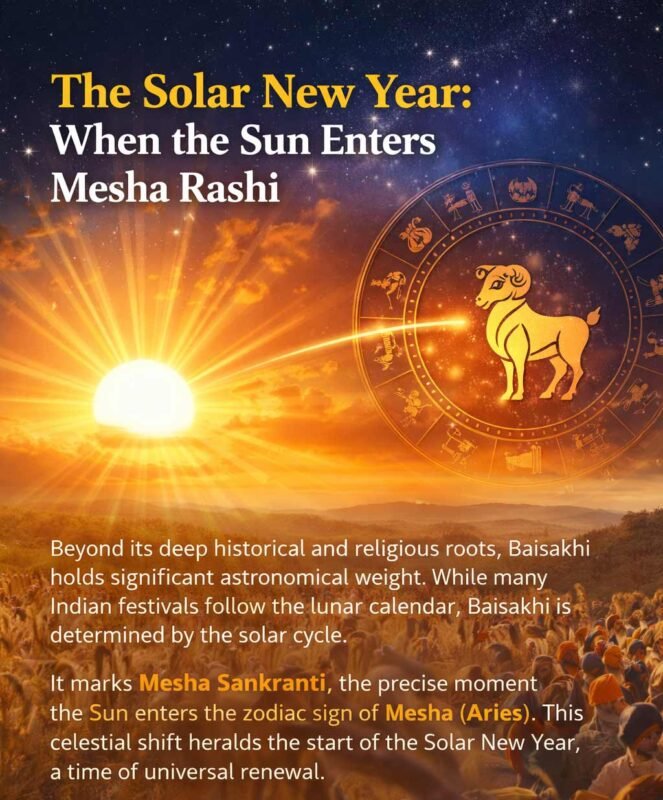
Beyond its deep historical and religious roots, Baisakhi holds significant astronomical weight. While many Indian festivals follow the lunar calendar, Baisakhi is determined by the solar cycle. It marks Mesha Sankranti , the precise moment the Sun enters the zodiac sign of Mesha (Aries). This celestial shift heralds the start of the Solar New Year, a time of universal renewal.Marking time through the sun’s position creates a powerful sense of connection to the rhythm of the cosmos. As the sun reaches this peak, it signifies a fresh start for the physical world and the human spirit alike. For many, this is a moment to reset personal intentions, mirroring the sun’s renewed energy with a commitment to personal growth and clarity in the year ahead.
The Golden Fields: Celebrating the Abundance of the Rabi Harvest
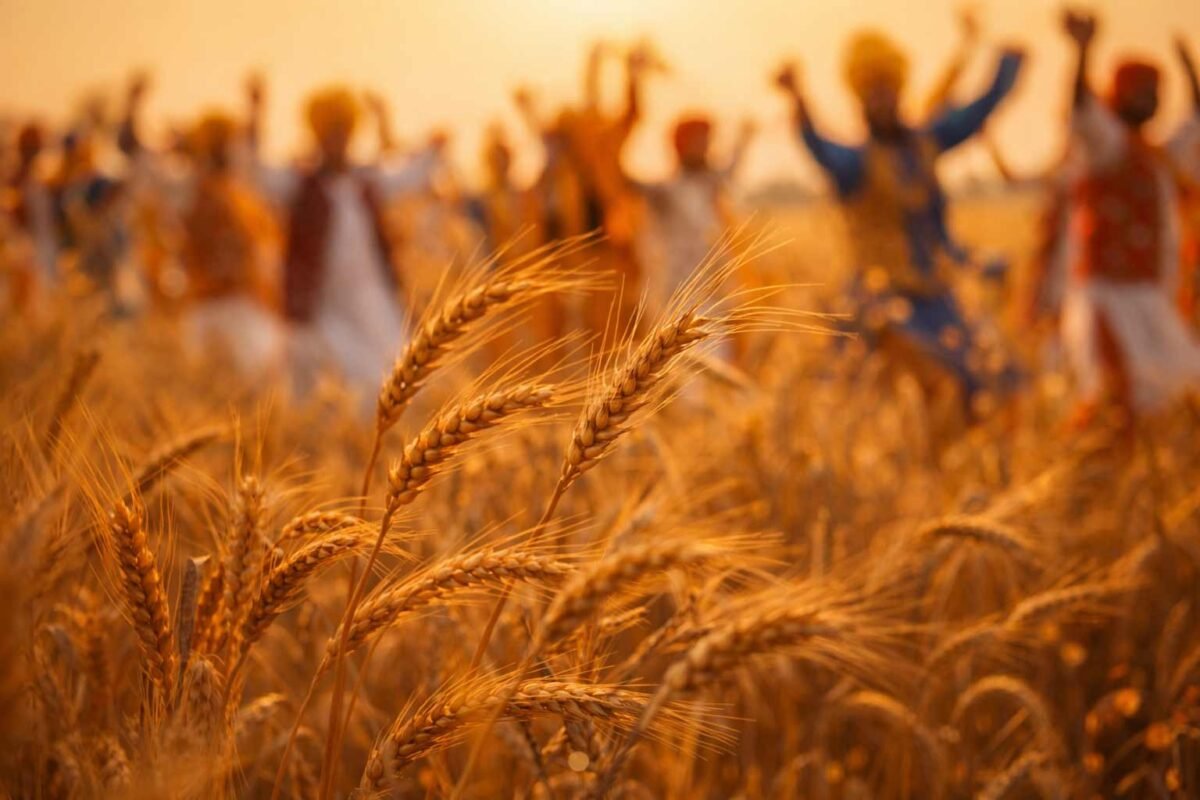
At its agricultural core, Baisakhi remains a timeless tribute to the soil. In the Punjab region, this is the season of the Rabi harvest, specifically the wheat crops that provide the lifeblood of the community. After months of laboring under the winter sun and tending to the earth, the sight of golden stalks ready for the sickle is a cause for profound gratitude.This celebration of abundance goes beyond economics; it is a spiritual acknowledgement of the relationship between man and nature. The physical harvest translates into a community-wide festival of prosperity, where families offer prayers of thanks for the food on their tables. It serves as a reminder that patience, hard work, and faith in the cycles of the earth inevitably lead to a season of plenty.


Seva and Saffron: The Living Traditions of Community
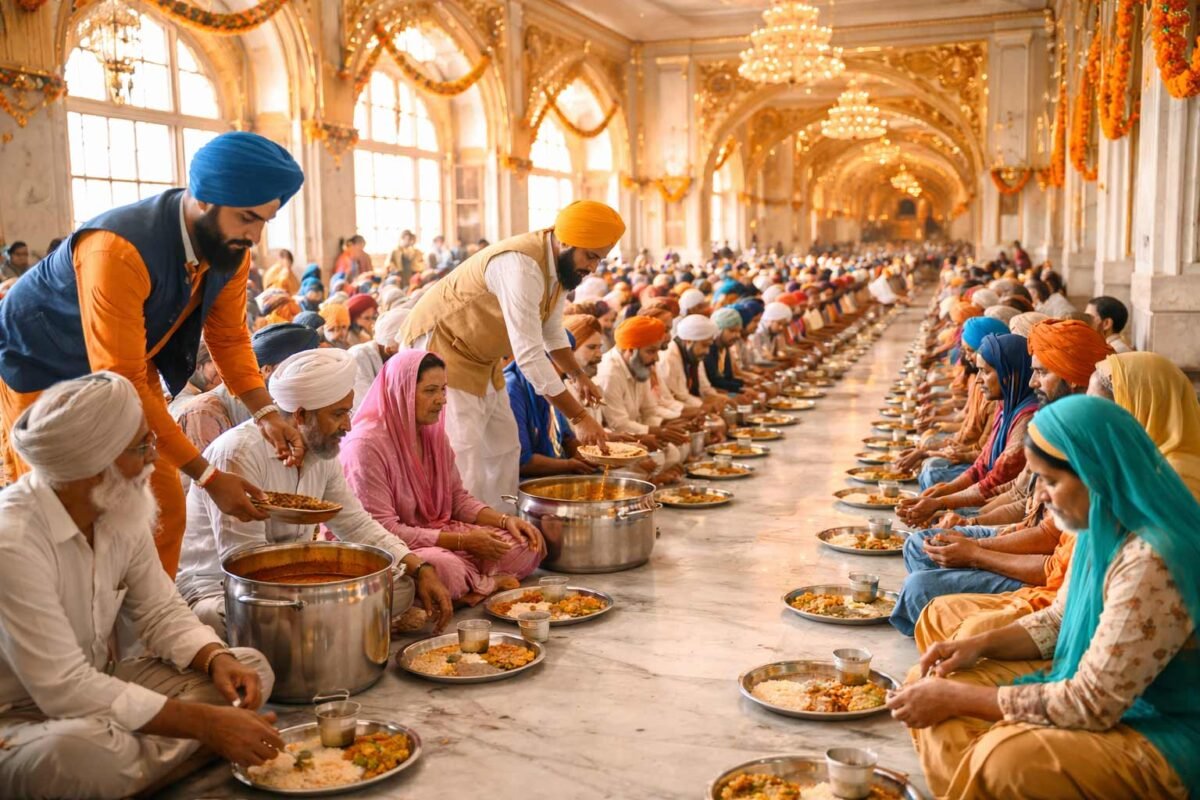
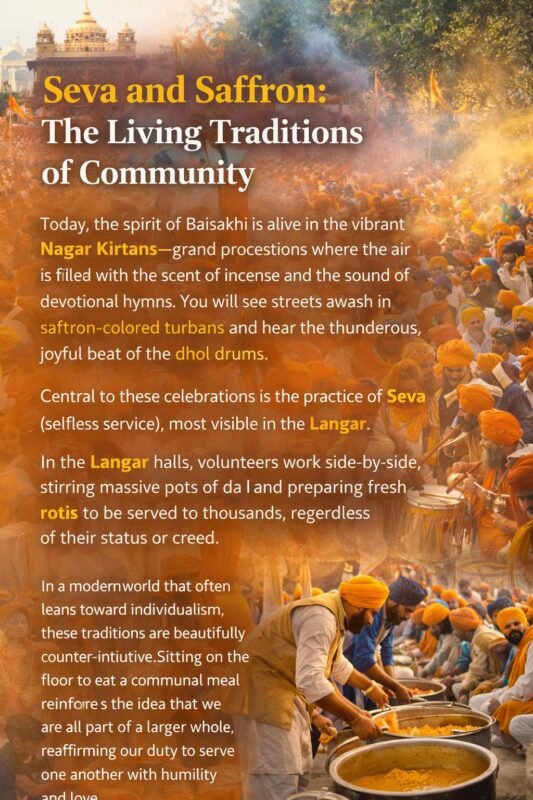
Today, the spirit of Baisakhi is alive in the vibrant Nagar Kirtans —grand processions where the air is filled with the scent of incense and the sound of devotional hymns. You will see streets awash in saffron-colored turbans and hear the thunderous, joyful beat of the dhol drums. Central to these celebrations is the practice of Seva (selfless service), most visible in the Langar .In the Langar halls, volunteers work side-by-side, stirring massive pots of dal and preparing fresh rotis to be served to thousands, regardless of their status or creed. In a modern world that often leans toward individualism, these traditions are beautifully counter-intuitive. Sitting on the floor to eat a communal meal reinforces the idea that we are all part of a larger whole, reaffirming our duty to serve one another with humility and love.
A Legacy Carved in Spirit
Baisakhi is a multifaceted gem of culture, reflecting the golden hues of the harvest, the precision of the stars, and the iron-willed courage of the Khalsa. It is a legacy that honors our ancestral roots while lighting the path toward our future selves. As the season turns and the sun rises higher in the sky, we are invited to look inward: How can we carry this spirit of renewal, bravery, and selfless service into our own lives throughout the rest of the year?

From Plates to Platters: The Ultimate Guide to Diwali Crockery
Crockery plays a key role in Diwali, the festival of lights, as it sets the [...]

Carry the Divine Home
The spiritual energy of Baisakhi serves as a powerful reminder of the divine presence that guides us through every season of life. Whether it is the courage of the Khalsa or the abundance of the harvest, these are moments we wish to hold onto long after the festivities end.At
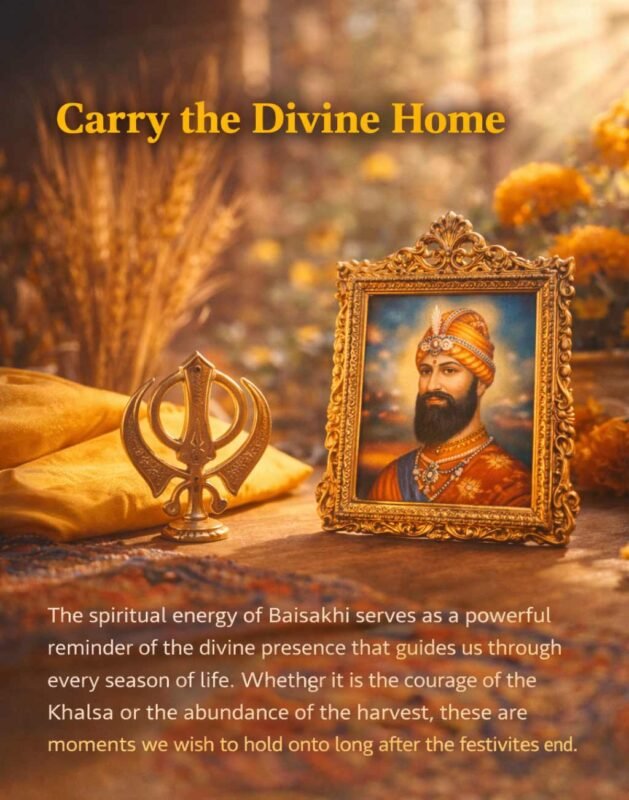
WhatsYourPrint , we believe in preserving that sacred essence within your daily environment. Our high-quality God Photo Frames and God Book Marks are crafted to be more than just objects; they are tangible reminders of faith and renewal for your home altar or a thoughtful gift for a loved one. Visit whatsyourprint.com today to find a keepsake that honors your spiritual journey and keeps the light of Baisakhi glowing in your home all year round.
Official Disclaimer
The information provided herein is based on religious beliefs and popular folklore. It lacks any scientific validation. WhatsYourPrint does not vouch for the veracity of any of the claims made herein.


